
Water Protection Youth Network of the Sierra Nevada de Santa Marta
The Water Protection Youth Network of the Sierra Nevada de Santa Marta is a local model called to become a global network. This is a
We are gloriously, inescapably earthbound and yet we disregard our home at our own peril.
Our world is calling out, louder than ever, to wake up, listen deeply, and come into the right relationship with our land to save what we have left and plant the seeds for a thriving future.
The truth is that climate action and sustainable stewardship of our natural resources are essential for our survival here on Earth.
We can no longer turn our heads and ignore what we don’t want to see. It’s time to change.
How will we honour and care for our Mother?
#STWEnvironmentalJustice
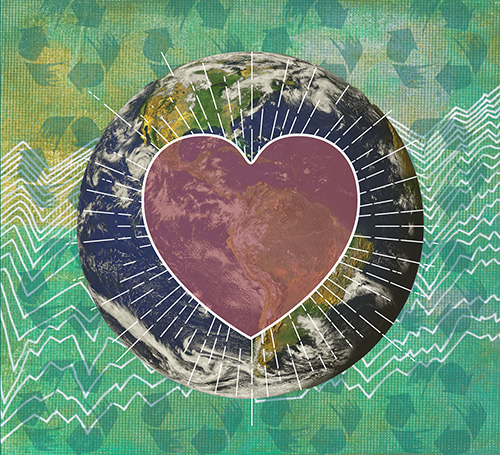
We are gloriously, inescapably earthbound and yet we disregard our home at our own peril.
Our world is calling out, louder than ever, to wake up, listen deeply, and come into the right relationship with our land to save what we have left and plant the seeds for a thriving future.
The truth is that climate action and sustainable stewardship of our natural resources are essential for our survival here on Earth.
We can no longer turn our heads and ignore what we don’t want to see. It’s time to change.
How will we honour and care for our Mother?
#STWEnvironmentalJustice
The Water Protection Youth Network of the Sierra Nevada de Santa Marta is a local model called to become a global network. This is a
Brazil – Abya Yala
Philippines – Turtle Island
SANTA MARTA, COLOMBIA – Abya Yala
Yonkers, NY – Munsee Lenape and Wappinger land
Remedy Studios is a young media production social enterprise founded by medical doctor and filmmaker Yemisi Bokinni. We are dedicated to creating life science entertainment
Gather is an intimate portrait of the growing movement amongst Native Americans to reclaim their spiritual, political and cultural identities through food sovereignty, while battling the trauma of centuries of genocide. Gather follows Nephi Craig, a chef from the White Mountain Apache Nation (Arizona), opening an indigenous café as a nutritional recovery clinic; Elsie Dubray, a young scientist from the Cheyenne River Sioux Nation (South Dakota), conducting landmark studies on bison; and the Ancestral Guard, a group of environmental activists from the Yurok Nation (Northern California), trying to save the Klamath river.;
In The Hidden Life of Trees, Peter Wohlleben shares his deep love of woods and forests and explains the amazing processes of life, death, and regeneration he has observed in the woodland and the amazing scientific processes behind the wonders of which we are blissfully unaware. Much like human families, tree parents live together with their children, communicate with them, and support them as they grow, sharing nutrients with those who are sick or struggling and creating an ecosystem that mitigates the impact of extremes of heat and cold for the whole group. As a result of such interactions, trees in a family or community are protected and can live to be very old. In contrast, solitary trees, like street kids, have a tough time of it and in most cases die much earlier than those in a group. Drawing on groundbreaking new discoveries, Wohlleben presents the science behind the secret and previously unknown life of trees and their communication abilities; he describes how these discoveries have informed his own practices in the forest around him. As he says, a happy forest is a healthy forest, and he believes that eco-friendly practices not only are economically sustainable but also benefit the health of our planet and the mental and physical health of all who live on
Give up your climate guilt. Sharpen your curiosity. Join Dr. Leah Stokes and Dr. Katharine Wilkinson as they tell stories about the powerful forces behind climate change — and the tools we have to fix it. This show is for the climate curious people who know climate change is a problem, but are trying to figure out how to tackle
An article for the environment conscious folx from Eco Watch
One nature. We are nature. All people, and all species. We are interconnected with nature, and with each other. What we do to the planet and its living creatures, we do to ourselves. This is the fundamental truth guiding our work at the David Suzuki Foundation. Founded in 1990, the David Suzuki Foundation is a national, bilingual non-profit organization headquartered in Vancouver, with offices in Toronto and Montreal. Through evidence-based research, education and policy analysis, we work to conserve and protect the natural environment, and help create a sustainable Canada. We regularly collaborate with non-profit and community organizations, all levels of government, businesses and
In Soil Not Oil, Vandana Shiva explains that a world beyond dependence on fossil fuels and globalization is both possible and necessary. Condemning industrial agriculture as a recipe for ecological and economic disaster, Shiva champions the small, independent farm: their greater productivity, their greater potential for social justice as they put more resources into the hands of the poor, and the biodiversity that is inherent to the traditional farming practiced in small-scale agriculture. What we need most in a time of changing climates and millions who are hungry, she argues, is sustainable, biologically diverse farms that are more resistant to disease, drought, and flood. “The solution to climate change,” she observes, “and the solution to poverty are the same.” Soil Not Oil proposes a solution based on self-organization, sustainability, and community rather than corporate power and